
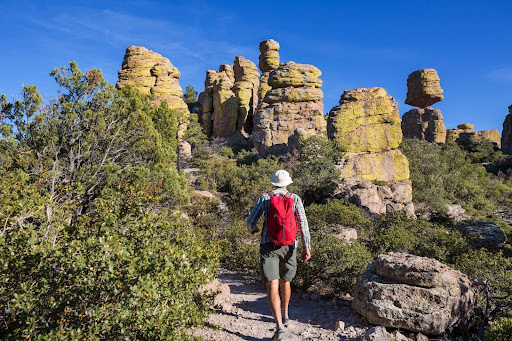
Hiking in Arizona offers a remarkable opportunity to explore some of the most breathtaking landscapes in the United States. From the vast, awe-inspiring stretches of the Grand Canyon to the striking red rocks of Sedona, each trail presents its unique challenges and rewards. However, the extreme temperatures and rugged terrain require careful preparation and respect for the natural environment. Donald Dirren provides essential tips on gear, timing, navigation, and safety to ensure a fulfilling and safe hiking adventure. By adhering to these procedures and learning from local experts, hikers can fully enjoy the natural beauty of Arizona while minimizing their impact on the fragile ecosystems they explore.
The Challenges of Hiking in Arizona
Arizona’s rugged terrain and extreme climate make it a unique challenge for hikers. The state is known for its scorching temperatures, especially during the summer, and its diverse landscapes, ranging from arid deserts to towering mountain ranges. These conditions require hikers to be exceptionally prepared and aware of the environmental challenges they might face.
In areas like the Grand Canyon and Sedona, hikers can experience drastic elevation changes that add to the physical demands of their treks. The beauty of these regions is undeniable, with Sedona’s red rock vistas and the vast expanse of the Grand Canyon drawing outdoor enthusiasts from around the globe. However, the allure of these popular spots also means that hikers must be well-prepared. Understanding the specific challenges of Arizona’s environment is crucial for anyone planning a hike. The state’s natural beauty is best enjoyed with respect for its potential dangers and a commitment to safe hiking practices.
Essential Hiking Gear and Timing Strategies
Carrying the right gear is imperative when setting out on a hike in Arizona. Essential items include sturdy footwear for rocky and uneven terrain, sun protection such as a wide-brimmed hat, UV-blocking sunglasses, high SPF sunscreen, and a robust hydration system due to the dry conditions. Whether it’s water bottles or a hydration pack, carrying sufficient water cannot be overstressed, as dehydration is a common issue among hikers in this region.
Timing your hike is equally crucial to ensure safety and comfort. Starting a hike early in the morning can help you avoid the midday heat, which can be overwhelming, especially in the summer months. Seasonal planning is also vital; for example, spring and autumn offer milder temperatures and can be the optimal times for exploring the trails.
Navigation, Safety, and Environmental Responsibility
Navigating the trails in Arizona demands a good understanding of maps and GPS technology. Recognizing trail markers is not just about following the correct path; it’s about ensuring you can always find your way back or to safety. The desert landscape, while beautiful, can be disorienting, and a good sense of direction is vital.
Adhering to Leave No Trace principles is particularly important in desert environments, where the flora and fauna are resilient but fragile. Minimizing impact involves staying on designated trails, properly disposing of waste, and being mindful of the natural habitat. Additionally, hikers should be aware of the potential hazards of wildlife and plants. Encounters with creatures like rattlesnakes or scorpions are rare but possible, and knowing how to respond to such encounters is vital to hiker safety.
Emergency Preparation
The unpredictable nature of hiking in Arizona necessitates a well-thought-out emergency kit. This kit should include a first-aid kit, a flashlight or headlamp with extra batteries, a whistle for signaling help, and a fire-starting mechanism. It’s also wise to carry an emergency shelter, which can be a lifesaver if you spend the night outdoors unexpectedly.
Knowing what to do in an emergency, such as getting lost or encountering dangerous wildlife. The first rule is to stay calm and assess your situation. If you are lost, staying in one place is advisable to increase your chances of being found. Additionally, understanding how to react if you come across potentially dangerous animals can prevent panic and lead to safer outcomes.
Learning from Local Hiking Experts
Seeking advice from local experts can significantly enhance your hiking experience in Arizona. These individuals have extensive knowledge of the best trails, the most scenic routes, and how to navigate them safely. Local hiking clubs or shops often offer guided hikes, which can provide valuable insights and tips that are not widely known. They also update you on trail conditions, which can change rapidly due to weather or other environmental factors.
Final Reminders
As a final reminder, always remember the importance of preparing and respecting the hiking environment. Whether you’re an experienced hiker or a beginner, the beauty of Arizona’s landscapes is best preserved through responsible hiking practices that ensure safety for you and the natural surroundings.